The Art of the Chic Easter Basket: Elevating Holiday Decor with Modern Elegance
Easter has long been synonymous with pastel hues, fluffy bunnies, and an abundance of eggs. However, in recent years, there has been a distinct shift in how homeowners and event planners approach holiday aesthetics. The trend is moving away from the kitschy and toward the sophisticated. We are seeing a rise in Easter decorative elements that prioritize texture, minimalism, and high-end design principles. This evolution isn't just about changing colors; it’s about redefining the mood of the season. By integrating chic aesthetics with traditional symbols like eggs, you can create spaces that feel festive yet refined, suitable for both intimate family gatherings and polished social events.
At the heart of this transformation is the humble egg. Once relegated to plastic containers or simple paper nests, eggs have become a canvas for artistic expression and luxury. Whether you are looking to update your home’s entryway or curate a stunning centerpiece for a brunch table, understanding the nuances of modern Easter decor can help you achieve a look that is timeless rather than trendy. Let’s explore how to blend these classic symbols with contemporary design sensibilities.
Redefining the Egg: From Plastic to Prestige
The most significant change in modern Easter decor is the materiality of the eggs themselves. While plastic eggs still hold their place in the joy of the Easter hunt, they rarely make the cut for interior decoration. Instead, designers are turning to materials that offer tactile richness and visual depth. Glass, ceramic, wood, and even metallic finishes have become staples in chic Easter styling. These materials catch the light differently, adding a layer of sophistication that matte plastic simply cannot replicate.
Consider the impact of hand-painted ceramic eggs. Unlike mass-produced items, handcrafted pieces often feature subtle imperfections and unique brushstrokes that add character. When grouped together in a bowl or arranged along a mantel, they create a sense of curated artistry. For those who prefer a more uniform look, solid-colored eggs in muted tones—such as sage green, dusty rose, slate blue, or cream—offer a clean, modern aesthetic. The key here is restraint. A cluster of ten perfectly coordinated eggs is far more impactful than a chaotic mix of bright primary colors.
Furthermore, the size of the egg matters. Mixing small, delicate eggs with larger, statement pieces creates visual interest and scale. This technique is particularly effective when used in vases or woven baskets. It breaks up the monotony and draws the eye across the arrangement, making the display feel dynamic and intentional. When selecting eggs, think about how they will interact with other elements in the room. Do they complement the existing color palette? Do they contrast nicely with natural textures like linen or wood?
The Vessel: Baskets as Design Statements
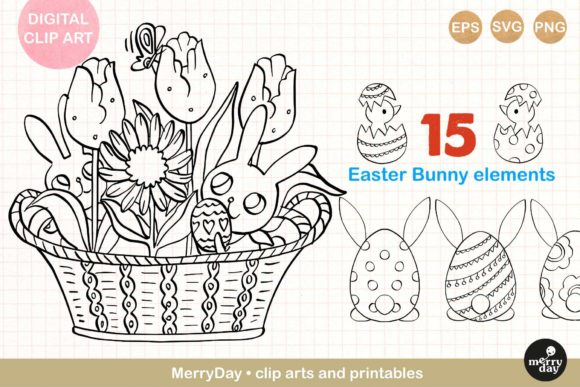
If the egg is the star, the basket is the stage. In traditional Easter decor, baskets were often functional vessels for carrying treats. Today, they serve as foundational design elements that anchor the entire composition. The choice of basket can dramatically alter the vibe of your decor. A wicker basket with a tight weave exudes rustic charm, while a lacquered or metallic basket introduces a touch of glamour. For a truly chic look, consider unconventional vessels such as vintage silver platters, crystal bowls, or even wooden crates painted in soft, neutral tones.
When arranging eggs in a basket, consider the concept of negative space. Overcrowding can make a display feel cluttered and cheap. Instead, allow the eggs to breathe. Use filler materials to elevate them slightly off the bottom of the basket, creating height and dimension. Natural fillers like dried moss, shredded kraft paper, or even fresh greenery work beautifully. These materials not only support the eggs but also introduce organic textures that soften the overall look. Moss, in particular, adds a lush, spring-like freshness that ties the decor back to the season’s theme of renewal.
Another consideration is the placement of the basket. In a chic setting, Easter baskets should be treated as sculptural objects. Place them on side tables, entry consoles, or dining tables where they can be appreciated from multiple angles. If you are using multiple baskets, vary their sizes and shapes to create a cohesive yet varied vignette. Grouping baskets of different heights on a tiered stand can also add vertical interest to your display.
Greeting Cards and Digital Integration
In our increasingly digital world, the role of physical greeting cards has evolved. They are no longer just messages; they are collectible art pieces. High-quality, minimalist greeting cards featuring elegant illustrations of eggs or abstract Easter motifs can serve as decorative accents in themselves. A beautifully designed card, isolated on a white background, can be framed and displayed alongside your egg arrangements, bridging the gap between personal connection and home decor.
This trend extends to digital formats as well. Many people now share digital greetings via email or social media. When designing these assets, maintaining a consistent aesthetic with your physical decor can create a seamless brand-like experience for your guests. Using vector formats like EPS ensures that your designs remain crisp and scalable, whether they are printed on heavy cardstock or viewed on a smartphone screen. The attention to detail in these digital elements reflects the same care put into your physical decorations, reinforcing the overall theme of sophistication.
Moreover, pairing a physical card with a small, tasteful gift—such as a single decorated egg or a sprig of fresh flowers—adds a personal touch that feels luxurious without being excessive. This approach encourages mindfulness and intentionality in gifting, aligning with the broader movement toward sustainable and meaningful consumption.
Color Palettes and Texture Play
Choosing the right color palette is crucial for achieving a chic Easter look. While pastels are undeniably associated with spring, opting for softer, desaturated versions can prevent the decor from feeling too juvenile. Think lavender instead of purple, mint instead of neon green, and blush pink instead of hot pink. These muted tones create a calming atmosphere that is easy on the eyes and pairs well with a variety of interior styles.
Texture plays an equally important role. Combining smooth, glossy eggs with rough, natural fibers creates a pleasing contrast. Adding elements like velvet ribbons, silk bows, or lace accents can introduce softness and elegance. Metallic touches, such as gold or copper wire wrapped around stems or used as embellishments on eggs, can add a subtle shimmer that catches the light without overwhelming the senses. The goal is to create a multi-sensory experience that engages sight, touch, and even smell through the use of fresh herbs or flowers.
Practical Tips for Implementation
- Start Small: If you are new to chic Easter decor, start with a single focal point, such as a vase of eggs on your dining table. Expand from there as you gain confidence.
- Invest in Quality: Choose a few high-quality decorative eggs rather than many cheap ones. Durability and finish matter.
- Mix Materials: Don’t be afraid to combine glass, wood, and fabric. The interplay of textures adds depth.
- Keep it Clean: Avoid clutter. Less is often more when aiming for a sophisticated look.
- Personalize: Incorporate elements that reflect your personal style, whether that’s mid-century modern, Scandinavian minimalism, or French country.
Sustainability and Longevity
A major benefit of shifting toward chic, high-quality Easter decor is sustainability. Plastic eggs and disposable decorations contribute to waste, whereas durable materials like ceramic, glass, and metal can be reused year after year. By investing in timeless pieces, you reduce environmental impact while saving money in the long run. Additionally, choosing natural fillers like moss or dried grasses over synthetic alternatives supports eco-friendly practices.
This focus on longevity also encourages a more mindful approach to consumption. Instead of buying new decorations every year, you can curate a collection that grows over time. This allows you to experiment with different styles and themes, keeping your decor fresh and exciting without the pressure of constant purchasing. It transforms Easter decorating from a chore into a creative hobby that brings joy and satisfaction.
Conclusion
Embracing chic Easter decorative elements is about more than just following a trend; it is about celebrating the season with grace and intention. By focusing on quality materials, thoughtful color palettes, and elegant arrangements, you can create spaces that honor tradition while embracing modern aesthetics. Whether you are displaying eggs in a woven basket or framing a minimalist greeting card, the goal is to create moments of beauty and connection. As you plan your next Easter celebration, remember that simplicity and sophistication go hand in hand. With a little creativity and attention to detail, you can transform your home into a sanctuary of springtime elegance.