Flower Decorative Elements: A Practical Guide to Design Enhancement
In the landscape of visual communication, few motifs carry as much universal appeal and versatility as floral designs. Whether you are crafting a wedding invitation, designing a brand identity for an organic skincare line, or creating educational materials for a classroom, Flower Decorative Elements offer a sophisticated way to elevate your work without overwhelming the core message. These assets are not merely aesthetic add-ons; they are structural components that can guide the eye, establish mood, and provide a sense of organic balance in digital and print layouts.
The specific combination of formats available—Ai CC (Adobe Illustrator), EPS10, SVG, and JPEG Preview—represents a significant advantage for professionals who need flexibility across different software environments and project requirements. This article explores how these particular file types support efficient workflows, maintain high-quality output, and solve common design challenges for creators, marketers, and small business owners.
Understanding the Value of Vector-Based Floral Assets
At the heart of this resource is the distinction between raster and vector graphics. While JPEG previews provide a quick visual reference, the true power lies in the vector files: Ai CC and EPS10. Vector graphics are composed of mathematical paths rather than pixels, meaning they can be scaled to any size without losing resolution. For a designer working on everything from a business card to a large-format billboard, this scalability is non-negotiable.
Adobe Illustrator (Ai CC) files allow for deep customization. If you are a professional graphic designer using the Creative Cloud ecosystem, having native .ai files means you can edit individual anchor points, adjust color palettes directly within the document, and manipulate layers with precision. This level of control ensures that the flower elements can be adapted to match specific brand guidelines, such as altering the hue of petals to align with a company’s primary color scheme.
The inclusion of EPS10 format further broadens compatibility. EPS (Encapsulated PostScript) is a legacy but robust standard that remains widely supported by various desktop publishing tools, including InDesign, CorelDRAW, and older versions of Adobe software. For agencies or freelancers who collaborate with teams using different software stacks, EPS10 acts as a reliable bridge, ensuring that the integrity of the floral illustrations is preserved regardless of the editing platform used.
Scalability and Web Integration with SVG
In today’s mobile-first world, web performance and responsiveness are critical. This is where the SVG (Scalable Vector Graphics) component becomes indispensable. Unlike raster images that can become pixelated or blurry when resized for different screen widths, SVGs remain crisp on Retina displays and 4K monitors. Furthermore, SVG files are typically lightweight, which contributes to faster page load times—a key factor in user experience and SEO ranking.
For bloggers, content creators, and web developers, integrating flower decorative elements via SVG allows for dynamic styling through CSS. You can change colors, apply hover effects, or even animate the elements using simple code snippets. Imagine a landing page for a wellness coach where floral borders gently fade in upon scrolling, or a blog post header where the flower icons change color based on the category tag. The SVG format makes these interactions possible without requiring heavy image processing or complex coding.
Practical Applications Across Industries
The utility of these decorative elements extends far beyond traditional graphic design. Let us look at how different professionals can leverage these assets to achieve tangible results.
Branding and Identity Design
Small business owners and entrepreneurs often struggle to create a cohesive visual identity on a budget. High-quality floral vectors can serve as the foundation for a logo or a recurring motif in marketing collateral. Because the Ai and EPS files are editable, a coffee shop owner could take a generic flower element, modify it to include a coffee bean shape, and create a unique brand symbol that feels custom-made rather than stock-generated. This adaptability supports stronger brand recognition and memorability.
Event Planning and Stationery
Wedding planners, party organizers, and hobbyists creating invitations benefit immensely from the variety offered by these elements. The ability to scale flowers from tiny corner accents to full-page backgrounds ensures consistency across all event materials—from save-the-dates to table numbers. The JPEG previews help in quickly selecting styles during client consultations, while the vector files ensure that the final prints are sharp and professional, avoiding the fuzzy edges that can undermine the perceived quality of an event.
Educational and Editorial Content
Educators and publishers use decorative elements to break up text-heavy pages and engage younger audiences. In textbooks or worksheets, flower illustrations can be used to highlight key concepts or decorate section headers. The vector nature of these files allows educators to recolor the elements to match seasonal themes or curriculum topics without needing to find new images each time. This saves valuable preparation time and ensures a polished, consistent look throughout the course material.
Efficiency and Workflow Considerations
Time is a finite resource for most creatives. One of the most significant benefits of using pre-made, high-quality decorative elements is the reduction in production time. Instead of spending hours drawing a perfect rose or lily from scratch, designers can focus their energy on layout, typography, and overall composition. This shift in focus often leads to better overall design outcomes because the foundational elements are already aesthetically pleasing and technically sound.
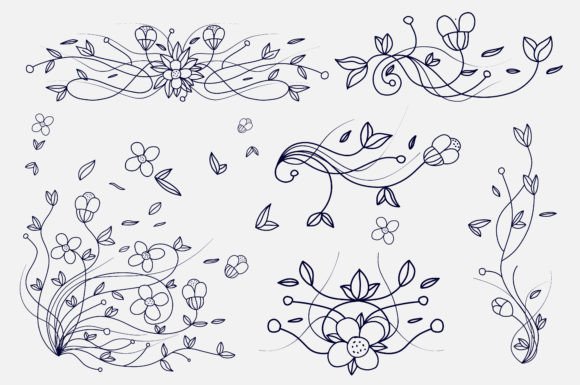
However, it is important to approach these assets with a clear strategy. Not every flower element fits every project. For instance, highly detailed baroque-style floral patterns may overwhelm a minimalist tech brochure, whereas they might be perfect for a luxury jewelry catalog. Users should carefully review the JPEG previews to assess complexity and style before integrating them into their projects. Additionally, always check the licensing terms associated with the files to ensure compliance, especially if the end product will be sold or distributed commercially.
Technical Best Practices for Implementation
To get the most out of your Flower Decorative Elements, consider the following technical recommendations:
- Layer Management: When opening Ai or EPS files, keep layers organized. Grouping related elements (e.g., stems, leaves, petals) makes it easier to isolate and modify specific parts of the design later.
- Color Consistency: Use global colors in Illustrator. If you decide to change the theme from spring pastels to autumn tones, updating a global swatch will automatically update all instances of that color in your document, saving manual editing time.
- Web Optimization: When exporting SVGs for the web, clean up the code to remove unnecessary metadata. Tools like SVGO can reduce file size further, ensuring your website remains fast and responsive.
- Print Preparation: Ensure that vector files are converted to CMYK color mode before sending them to print. RGB colors, which are standard for screens, can appear dull or shifted in print, so adjusting the color profile beforehand prevents unexpected results.
Conclusion
The integration of Flower Decorative Elements in modern design workflows offers more than just visual appeal; it provides a practical solution for enhancing communication, saving time, and maintaining high standards of quality. By leveraging the strengths of Ai CC, EPS10, SVG, and JPEG formats, professionals across various fields can create compelling, scalable, and adaptable designs that resonate with their audiences. Whether you are a seasoned designer looking to streamline your process or a small business owner aiming to polish your brand presence, these versatile assets provide a solid foundation for creative success.